I’ll be honest. Being a software guy is fun.
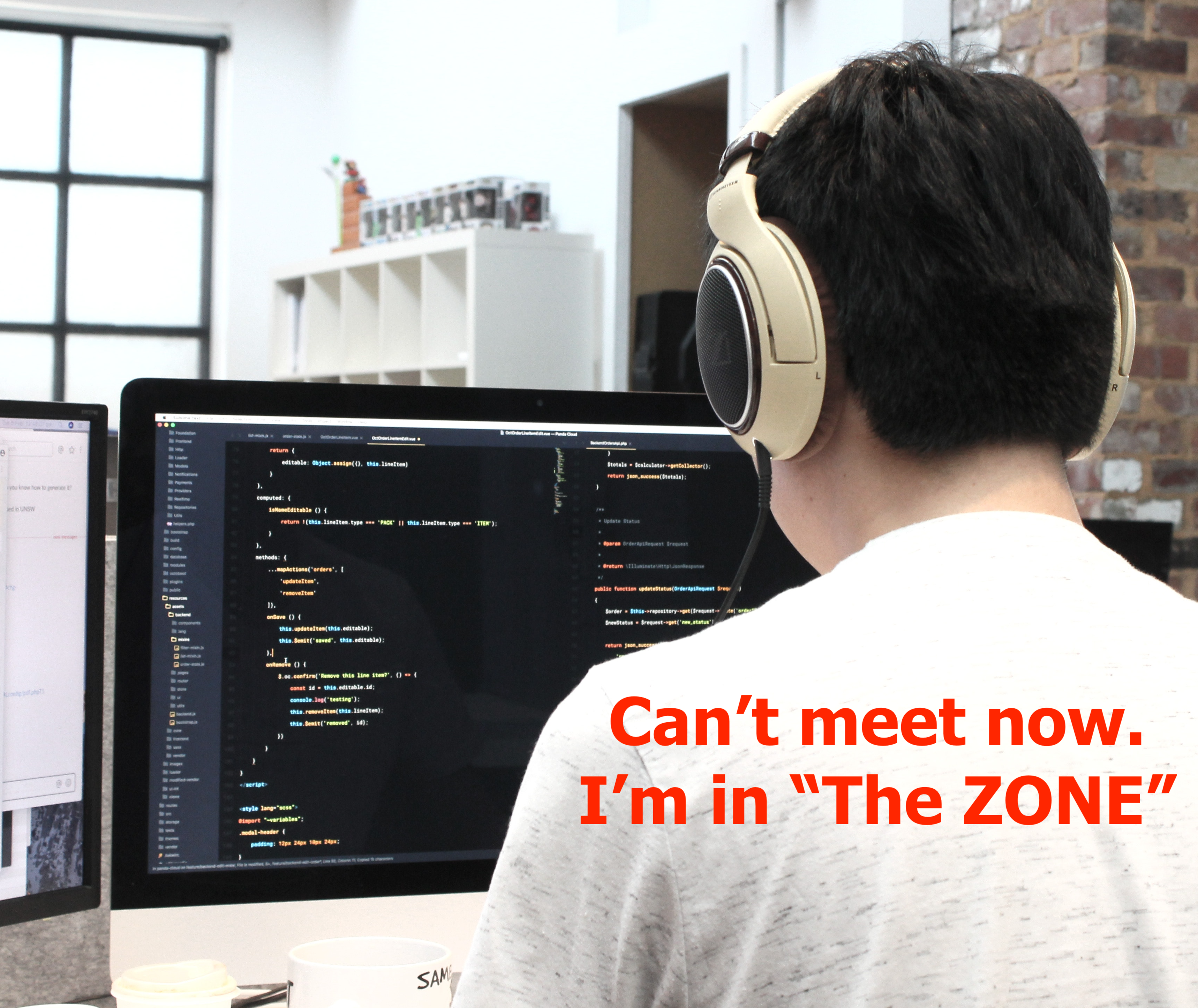
Which other job in the world can you come to office at 10am, get a Macbook Pro, wear headphones whole day, and diss away at non-technical managers?
Product management, however, has so much more responsibilities. Being the central figure to glue all cross-functional teams together really attracted me to the role.
Over the years in engineering, I had developed an appreciation of product sense, design and discovery. These led me wanting to tackle the “Why” and “What” rather than “How”.
So how did I transition from Engineering to Product?
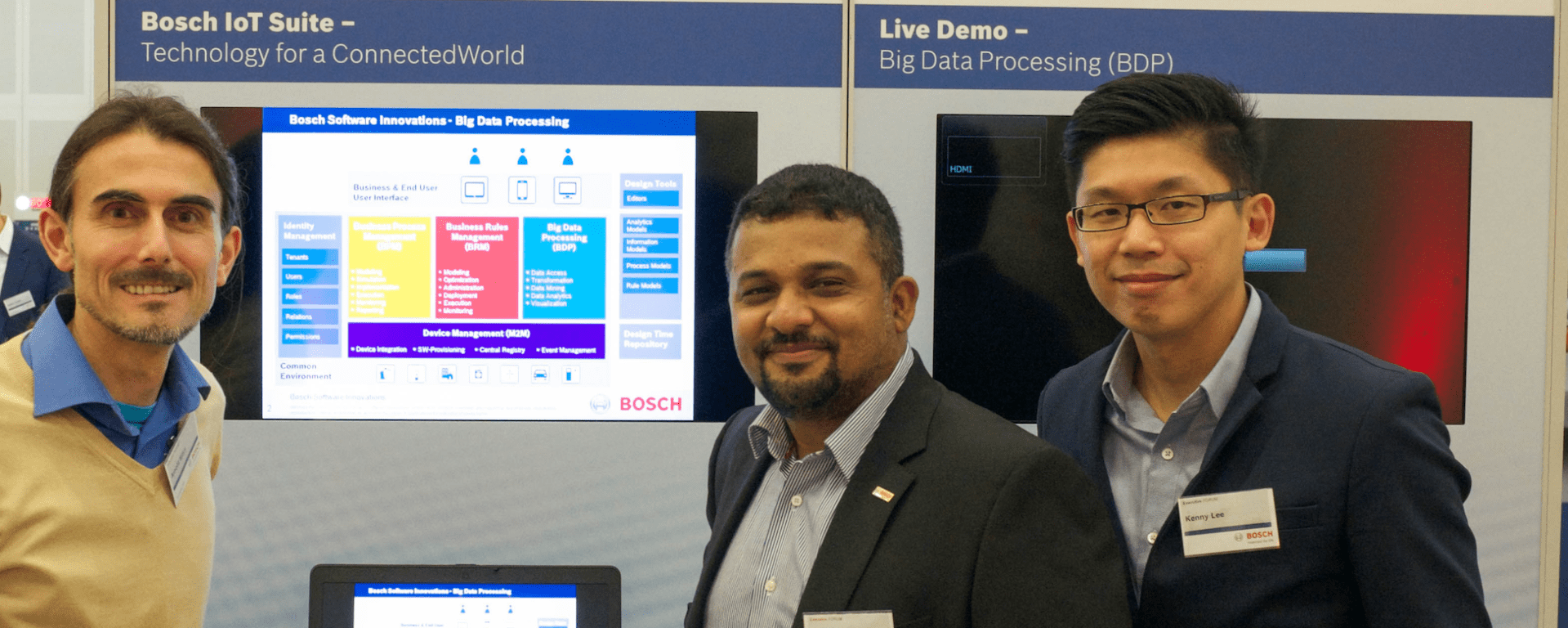
I had been working as a programmer, architect and scrum master for a decade when I was offered to become the first Scrum Product Owner at Bosch Software Innovations, Singapore in 2015.
Here are the reasons that made it possible for me – that could also be for you.
Internal Openings
We had great tech talent in Singapore, yet due to historical reasons, always took instructions from the product and portfolio team in Bosch Software Innovations HQ, Germany.
During our 2014 Bosch Employee Survey, I raised the lack of local product representation. My pitch was that local markets require local experts. Customers in APAC, and their use cases, are very different from Europe and US.
Our Singapore teams (GMT+8) have a 6-7 hour time difference from Europe (GMT+2). When I was a software engineer, I will have to wait till 4pm before I get access to my Product Owner in Germany.
Have Product Owners/Manager onsite with the technical team if possible
Agile teams love it when they have a Product Owner/Manager onsite, ideally in the same office or building. Working remotely with timezone differences is really tough. I suggest reading Basecamp’s book on working remotely if that is your reality.
Demonstrate Soft Skills
Most techies I know are either introverts or poor communicators. They speak more machine than human language.
The best people I know in Tech are great at both machine and human language. They are equally at ease writing complex code in Scala as well as presenting the portfolio roadmap to the board of directors.
Whenever you get chances to organise a hackathon, talk to users/ customers, give opinion of product short-comings, grab them!
Always remember, Product is 40% soft skills and 60% hard skills.
Certifications
In 2015, I enrolled into the Certified Scrum Product Owner course from Odd-e.
The benefits are:
- Formal education into the Product Owner mindset
- Gaining a toolbox of useful processes/practices
- Access to a network of current and future product owners/managers.
I do wish I already did an MBA though. That will be my next goal.
Finding a Great Boss
Most important of all..
A good boss is better than a good company. A good boss will train discipline you and develop you.
– Jack Ma
I was lucky to have a not just good, but awesome boss, Zubair Hamed, at Bosch Software Innovations. He have me the necessary platform, motivation and trainings to grow from software engineer to architect, to scrum master and finally a product owner.
His relocation to Berlin, which coincided with General Electric’s headhunt for my services, led to our split.
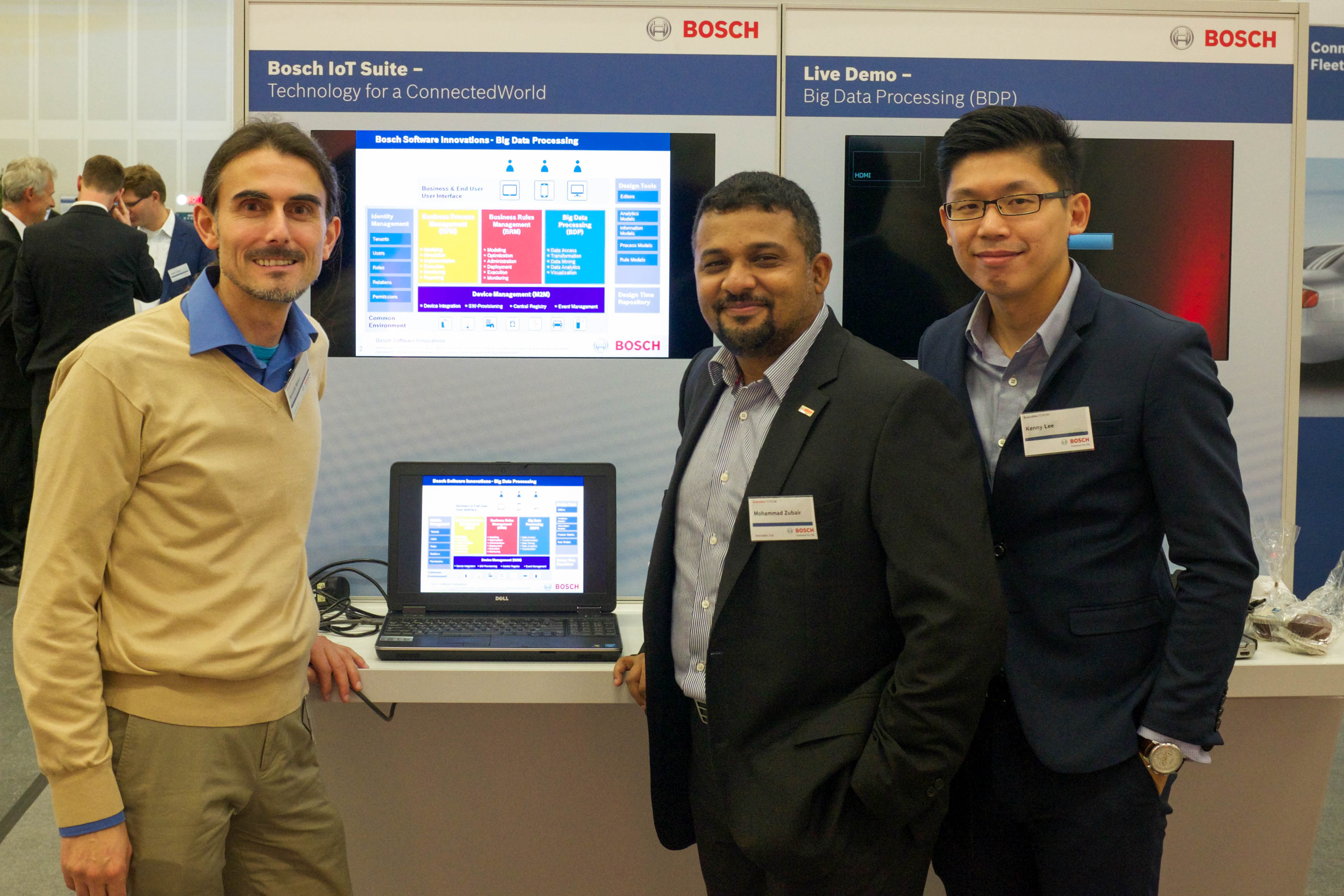
Don’t worry if you aren’t now working at Grab, Apple, Google, Facebook or even Bosch. You’ll have an equal, if not better chance at a successful transition from engineering to product if you find yourself a great boss like I did.
Conclusion
There are fewer Product openings as compared to engineering roles (1:8). You will find chances hard to come by.
Nevertheless, if you have the passion and the will, nothing is impossible. Just keep trying, practising and looking for opportunities.
Please write to me if you have more questions or want more insights into my journey. All the best for your successful transition!
All the best for your successful transition!

 The Technical Product Manager