
I have experienced product managers being promoted every year. From Product Manager to a Senior Staff Product Manager in three years.
I would like to share the four main reasons.
Communicate effectively (upwards and downwards)
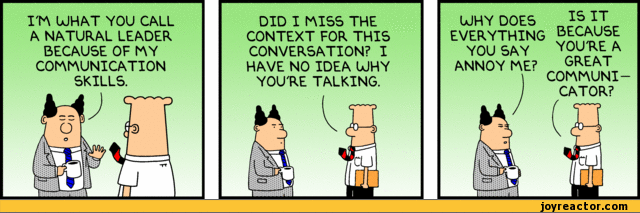
Having worked as a software engineer for 10 years in start-ups, multi-national corporations (MNC), and small-medium enterprises (SME), the best product managers (technical or non-technical) i seen have impeccable communication skills.
They do not simply speak well, they also listen well, write well and read well. This is crucial in an MNC setting, where many teams work remotely.
For technical product managers who worked closely with engineers, the ability to communicate effectively higher up the food-chain is crucial. (Getting resources, pushing ideas, managing expectations, etc)
Are pro-active

Great TPMs simply get things done. They actively force themselves to make decisions (or seek decisions from others) and prevent entering analysis-paralysis
As the Product Owner that created the concept for selling Bosch IoT Suite on AWS marketplace, i reached out individually all the service owners to get feedback on the business model, pricing and on-boarding process. No one should tell you to. Not even your boss.
Are tactful and diplomatic

TPMs who can assert their ideas/opinions, how what to say, how to say it will do very well.
Having great relationships with your engineers, designers, data scientists, other product managers, legal, sales, marketing and importantly – your boss, allows you to spend your attention on making your product great. Rather than needing to justify all your decisions (although you should at least prepare to), you are less blocked and well-trusted to execute.
Fit in to the organization

In some highly political organisations however, it is not just what you do, but how others behave, what the existing culture is, which you have no control over.
In those organisations, skills sometimes play a second fiddle to other things – power, ethnic, language, network
Clues can sometimes be found in the job descriptions, especially the preferred language.
To thrive there, it is wise to play along with the game. Else, choose where you work carefully.
Average TPMs do the following:
Focus on details, not the big picture

Detail-oriented people are conscientious, process-oriented and careful. Big picture people are creative, resourceful and strategic.
As a technical product manager, it is tempting to imagine you are hired largely for your analytical skills. That is far from the truth. Sachin Rekhi, founder and CEO of Notejoy, in his The Art of Being Compelling as a Product Manager talk mentioned product managers should spend 60% of their time on product management specifics and 40% on soft skills. I agree.
Being detailed is great. Software engineers and designers would love you for providing detailed user stories, technical specs and design requirements.
But spend too much time in the details prevent you from strategic direction – Building your vision and road-map, refining your product market, planning how to address competition, etc
Resist the power game
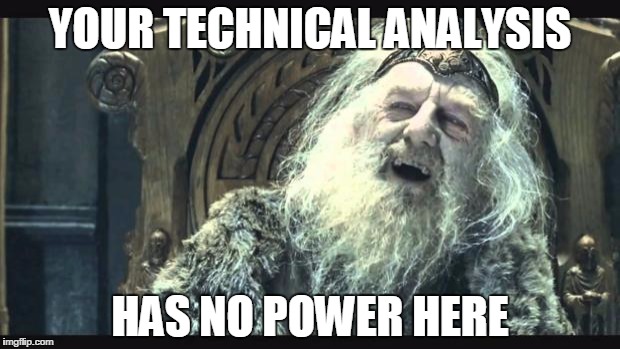
Power is the ability or capacity to do something. Without this ability, features don’t get developed, ideas never materialised, head-counts you require won’t be approved.
Many people see power as evil – the dark art of manipulation. True only if you misuse it. Use power wisely and you do yourself, your team and your organization a world of good.

 The Technical Product Manager